Solar eclipse at the Planetarium
Planetarium celebrates the 2026 solar eclipse
We explore the astronomical event of the year
Solar eclipses are a remarkable phenomenon in which the Moon moves in front of the Sun and blocks its light, casting the Earth into darkness. If you have ever experienced the magic of a solar eclipse, it is easy to understand humanity’s fascination with the event. There are probably as many myths and legends about eclipses as there are cultures on Earth.
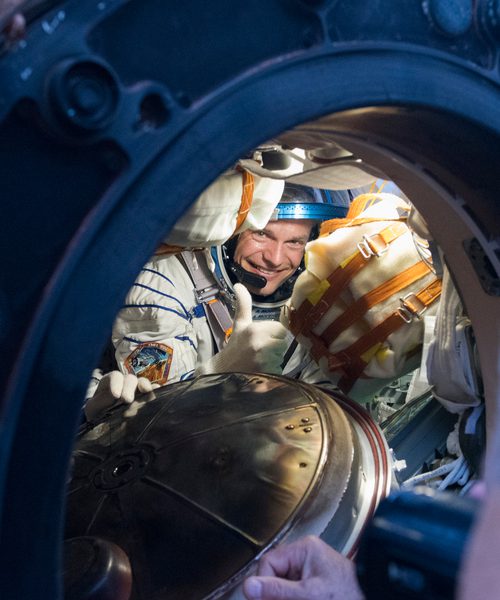
Solar eclipses are rare and do not occur in the same place on Earth each time, which is why many people travel around the world to experience them. In fact, it was on just such a journey that Planetarium’s founders, Helge and Bodil Pedersen, decided to create a place where the joy of space could be shared with everyone—and the idea for Planetarium was born.
During the solar eclipse on August 12, 2026, more than 85% of the Sun will be covered by the Moon as seen from Denmark. This is the highest level of coverage experienced in Denmark since 1954, and significantly more than we will see again until the annular eclipse in 2093. This eclipse is therefore truly special for us here in Denmark, and it deserves to be celebrated. At Planetarium, we have organized a series of events where you can learn more about the Sun, the Moon, and solar eclipses.
What’s Happening at Copenhagen Planetarium?
Throughout the summer, visitors will have the opportunity to observe the Sun through our solar telescopes (weather permitting) and learn about how we explore space and how stars like the Sun have actually played a role in creating us.
On August 6, we will warm up for the eclipse with a lecture on the Sun and its eclipses by Morten Hector Dalhoff. We will learn more about what the Sun really is and why its light is so important for life here on Earth.
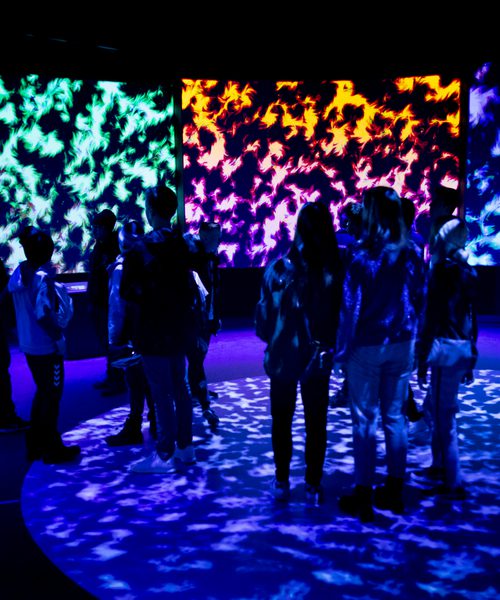
August 12 is the day of the eclipse itself. Join us for Solar Eclipse 2026 at Planetarium, where we will offer workshops in which you can build your own solar viewer, a live planetarium show giving you a preview of the eclipse in our spectacular dome theatre, and finally an excursion under the open sky where we can observe the eclipse together.
The eclipse will take place from 7:10 PM to 9:00 PM, reaching its maximum at 8:05 PM. Because this occurs close to sunset, the Sun will be quite low on the horizon during the eclipse. It is therefore important to stay away from tall buildings and ensure you have a clear view toward the west-northwest. You may wish to scout a location the evening before where you can see the Sun clearly at 8:10 PM; that same location should provide an excellent view of the eclipse.
IMPORTANT: Protect Your Eyes!
It is always important to protect your eyes when looking toward the Sun, as its intense light can cause serious eye damage. For this reason, you must never look directly at the Sun, even during a solar eclipse. Instead, use certified eclipse glasses, a professional solar telescope with the appropriate filter, or observe the eclipse indirectly by making your own solar viewer.
You can purchase eclipse glasses at Planetarium, or learn more about indirect observation methods here.
You can also read much more about both solar and lunar eclipses on our Eclipses page.
INFO:
Dates
All Summer Long:
Observe the Sun through our solar telescopes, explore our exhibitions, and join us for science shows, guided tours, and planetarium shows about space.
August 6:
Learn more about our life-giving star, the Sun, at a lecture on the Sun and its eclipses by Morten Hector Dalhoff.
August 12:
Get ready for the solar eclipse with Planetarium through workshops, a live planetarium show, guided tours, and an excursion to observe the eclipse under the open sky.